Malta stands as a Mediterranean jewel bursting with prehistoric marvels, none more captivating than its dolmen and ancient megalithic temples. These stone monuments, predating even Egypt’s pyramidal wonders, offer an enthralling window into early human ingenuity and spiritual expression. If archaeology and ancient history stir your curiosity, Malta’s heritage tour through these prehistoric sites is an unmissable adventure.
Discovering Malta’s Megalithic Temples: Ancient Architecture in Stone
Set against coastal cliffs or nestled within quaint villages, Malta’s megalithic structures have stood resolutely since as early as 3600 BCE. Their massive limestone blocks, some weighing over 50 tons, were raised with just rudimentary tools and sheer determination, a feat modern engineering still admires. Walking these sites, visitors can almost hear the whispers of ancient rituals and communal gatherings that once enlivened these spaces.
Key Megalithic Sites to Explore in Malta
The dolmen and temple complexes of Ġgantija on Gozo, Ħaġar Qim, Mnajdra, and Tarxien are among the standout locations for archaeologists and travelers alike. Ġgantija’s colossal stone blocks inspire legends of giants – fitting when the largest stones reach the size of a small car! At Ħaġar Qim and Mnajdra, alignments with the solstices highlight the builders’ deep astronomical knowledge, while Tarxien’s engraved bulls and intricate carvings speak to the rich symbolic tapestry woven by their creators.
A Glimpse into Prehistoric Life and Spirituality
Before tourism blended with beach days and wine tastings, Malta’s ancestors – farmers and fishermen – carved a legacy in limestone that still puzzles archaeologists. These temples were not merely architectural statements; they were epicenters of community life, religion, and astronomical observation. The frequency of female figurines hints at fertility cults, and the cosmic alignments suggest rituals timed with the sun’s journey, connecting human life with nature’s rhythms.
Innovations in Prehistoric Construction
Transporting heavy limestone dolmen without cranes or wheels is a topic of ongoing intrigue. Scholars propose methods involving wooden rollers and sledges, maybe even stone ball bearings. The precision required to shape and place these heavy stones reflects extraordinary coordination and planning skills, painting a vivid picture of a society that valued both form and function in sacred spaces.
Planning Your Heritage Tour: When and How to Visit
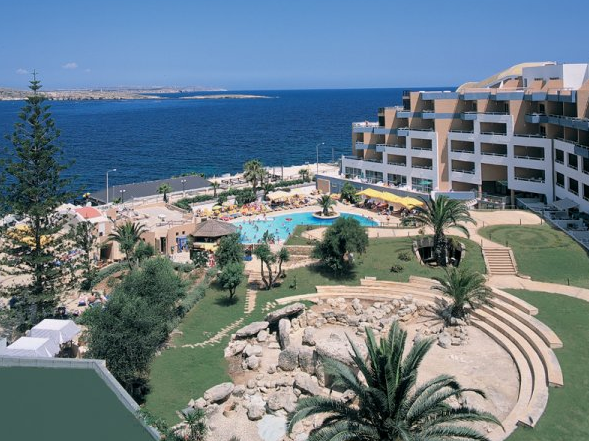
To beat the crowds and soak in the mystique, spring and autumn visits offer mild weather and quieter sites. Scheduled tours often provide nuanced insights and access to less-traveled spots, including the restricted Ħal Saflieni Hypogeum, a subterranean burial site reserving its aura for just 80 visitors daily. For accommodation steeped in local flavour, consider the Malta Dolmen Hotel, a perfect base blending comfort with proximity to key archaeological sites.
Essentials for Exploring Dolmen and Ancient Temples
Given the stony terrain and occasional breeze off the sea, sturdy shoes and layered clothing are advisable. Strict preservation rules mean visitors must tread softly, respecting pathways and refraining from touching delicate limestone surfaces. Photography is largely permitted but is sometimes flash-limited to safeguard the carvings’ integrity.
Exploring Malta’s dolmen and ancient temples is not just a step back in time; it’s a plunge into human creativity, spirituality, and community from over five millennia ago – truly an epic story etched in stone.